
Building the AI-Native Healthcare Payor

Healthcare Payors are moving into a more consequential AI era. The challenge is no longer whether AI can help. It is whether the enterprise can connect AI to the operating levers that matter most: medical cost, market expansion, provider collaboration, member experience, product agility, and engineering velocity. The winning Payor will treat AI not as a set of isolated pilots but as a new operating system for data, workflows, and decisions.
This article sets out that operating model. It reframes the conversation around five structural meta forces shaping the future of the healthcare Payor. For each force, it identifies two important trends and explains what they mean in business and technical terms. It then connects those forces to the enabling architecture: AI-ready data, a semantic twin, a sovereign model gateway, observability, agentic SDLC, Autopilot, managed services, and a value realization discipline strong enough to prove impact to the business.

Figure 1. The AI-native healthcare Payor operating model and the outcomes it is designed to deliver.
The strategic thesis: from AI pilots to an AI-native Payor
The traditional Payor operating model was optimized for scale, control, and compliance. It was not optimized for continuous intelligence, conversational workflows, reusable knowledge, or adaptive operations. That mismatch is why many AI programs stall. They automate fragments of work, but they do not redesign the operating fabric underneath the work.
An AI-native Payor is different. It builds one reusable backbone across data, knowledge, policy, models, agents, and workflow orchestration. That backbone supports multiple business outcomes at once: lower call volume, better quality alignment, stronger provider collaboration, lower PMPM trend, better market targeting, faster product launches, and improved developer productivity.
A GCP-forward but low-lock-in architecture can accelerate this journey. BigQuery, BigLake, Dataplex, Vertex AI, Cloud Run, GKE, and Apigee create speed and scale. But the enterprise should still own the layers that matter most strategically: data products, semantic meaning, model governance, prompt and agent registries, value realization, and observability.
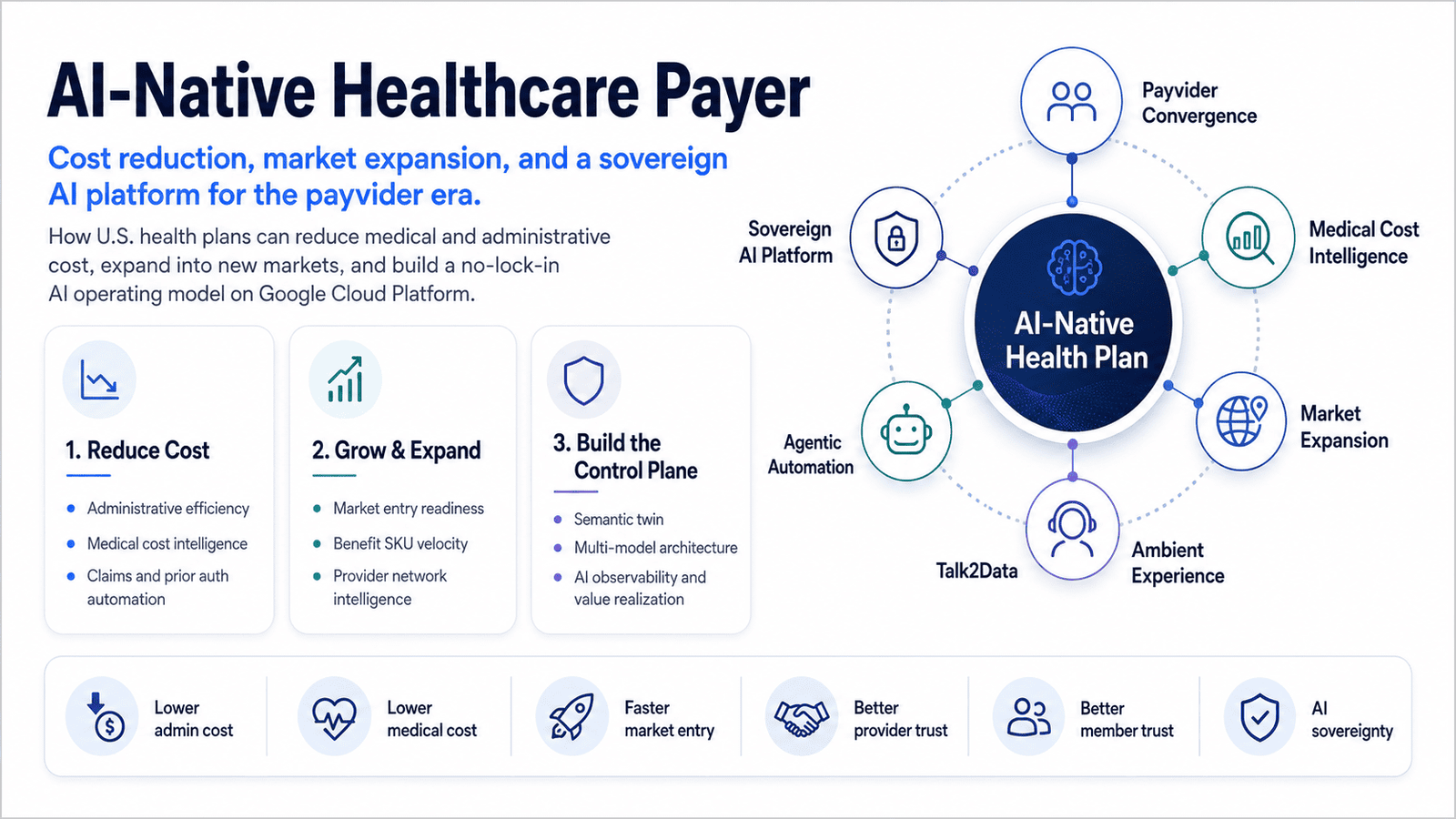
Figure 2. A strategic overview of the AI-native healthcare Payor transformation journey.
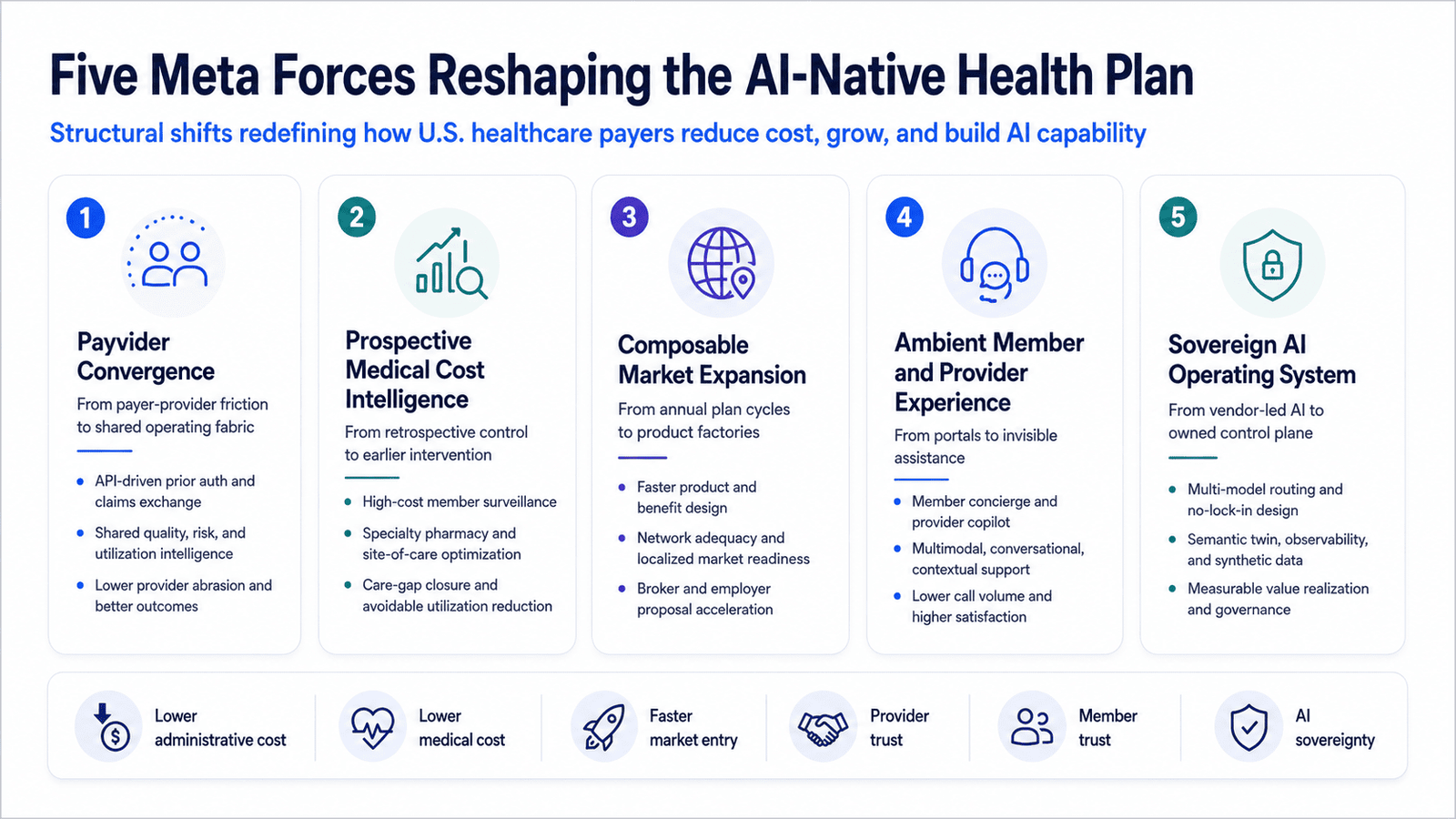
Figure 3. The five structural meta forces reshaping the AI-native healthcare Payor.
A portfolio view of AI value
Before going force by force, it is useful to take a portfolio view. A strong Payor AI portfolio should be sequenced across service, medical cost, growth, quality, and productivity. That is how the enterprise avoids random experimentation and instead builds a learning system in which each new use case reuses assets from the previous one.
The best portfolio starts with visible business momentum, moves into cost takeout and quality improvement, and then broadens into growth, product strategy, and engineering leverage. The five-wave use case model below provides one practical way to organize that journey.
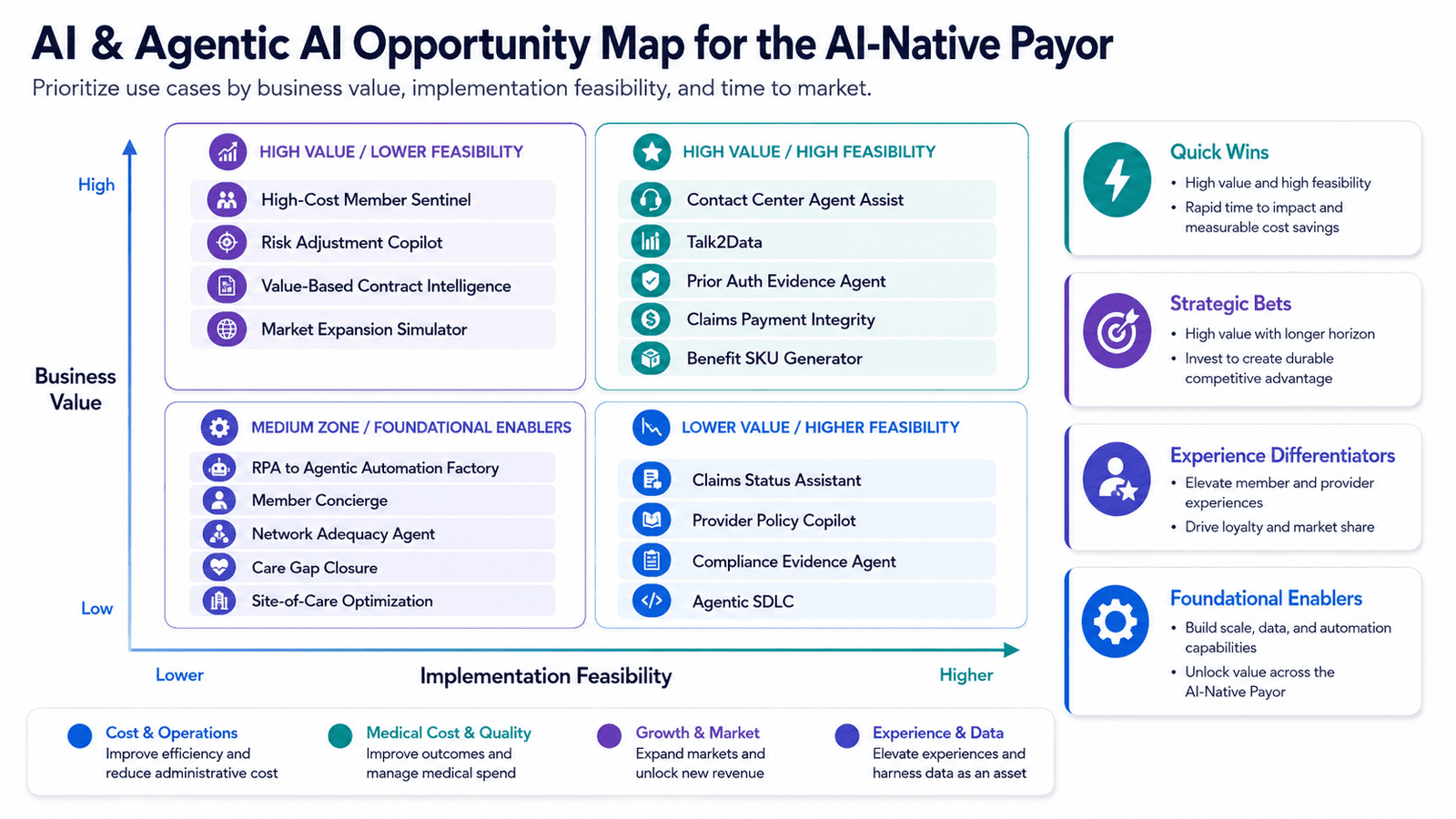
Figure 4. An enterprise opportunity map for AI and agentic AI across the Payor value chain.
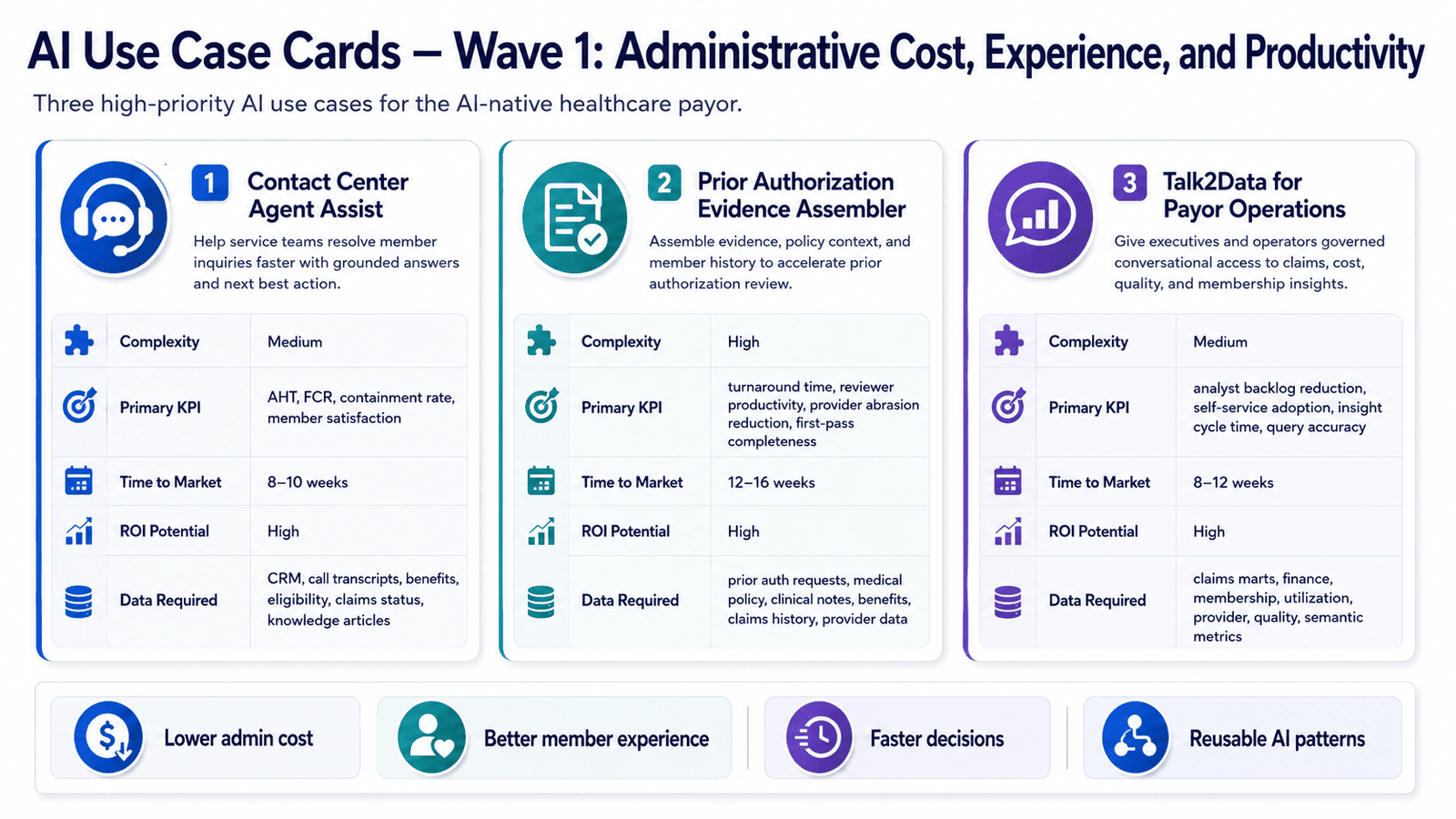
Figure 5. Wave 1 use cases focused on administrative cost, experience, and productivity.
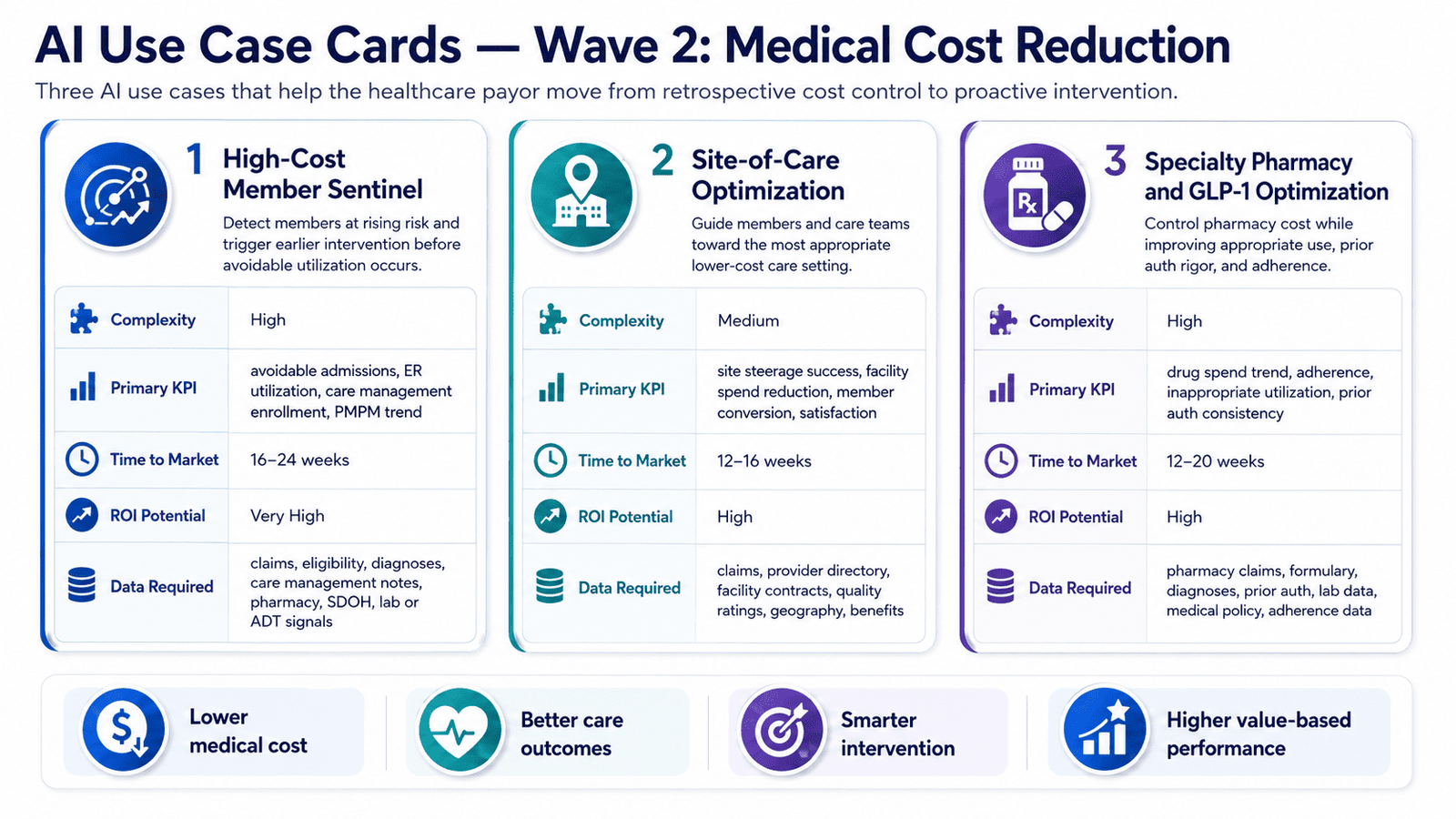
Figure 6. Wave 2 use cases focused on medical cost reduction.
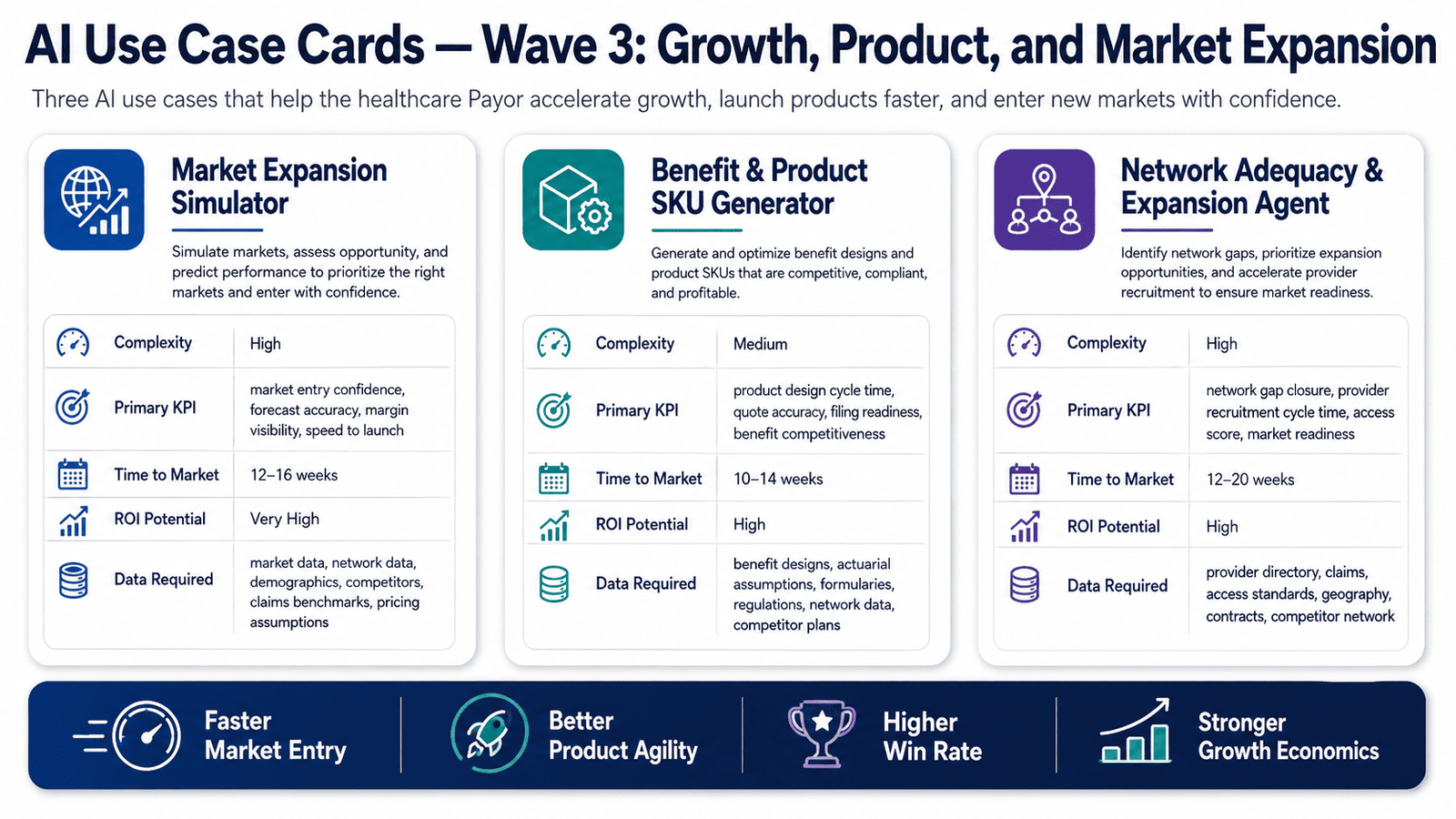
Figure 7. Wave 3 use cases focused on growth, product, and market expansion.
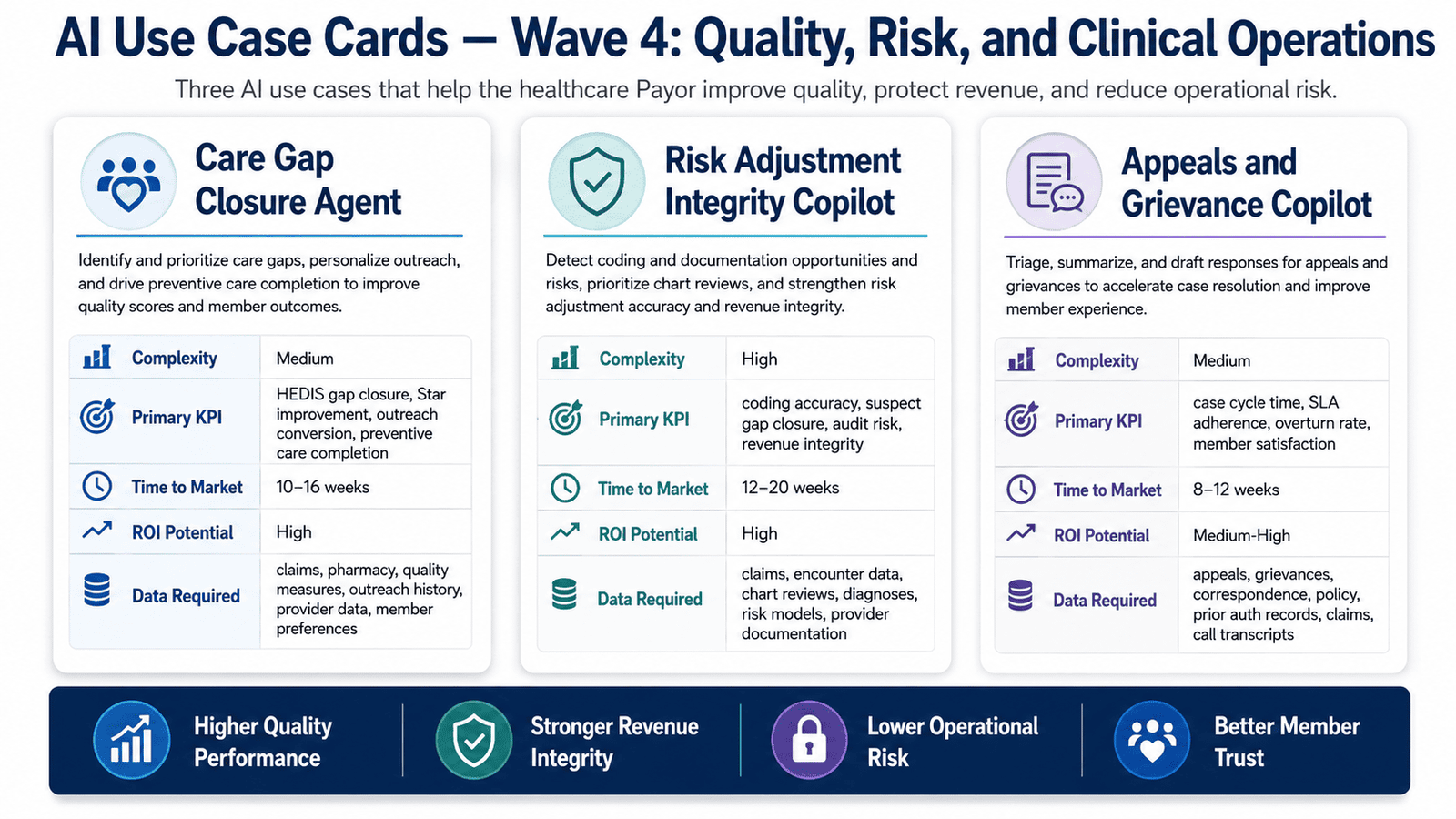
Figure 8. Wave 4 use cases focused on quality, risk, and clinical operations.
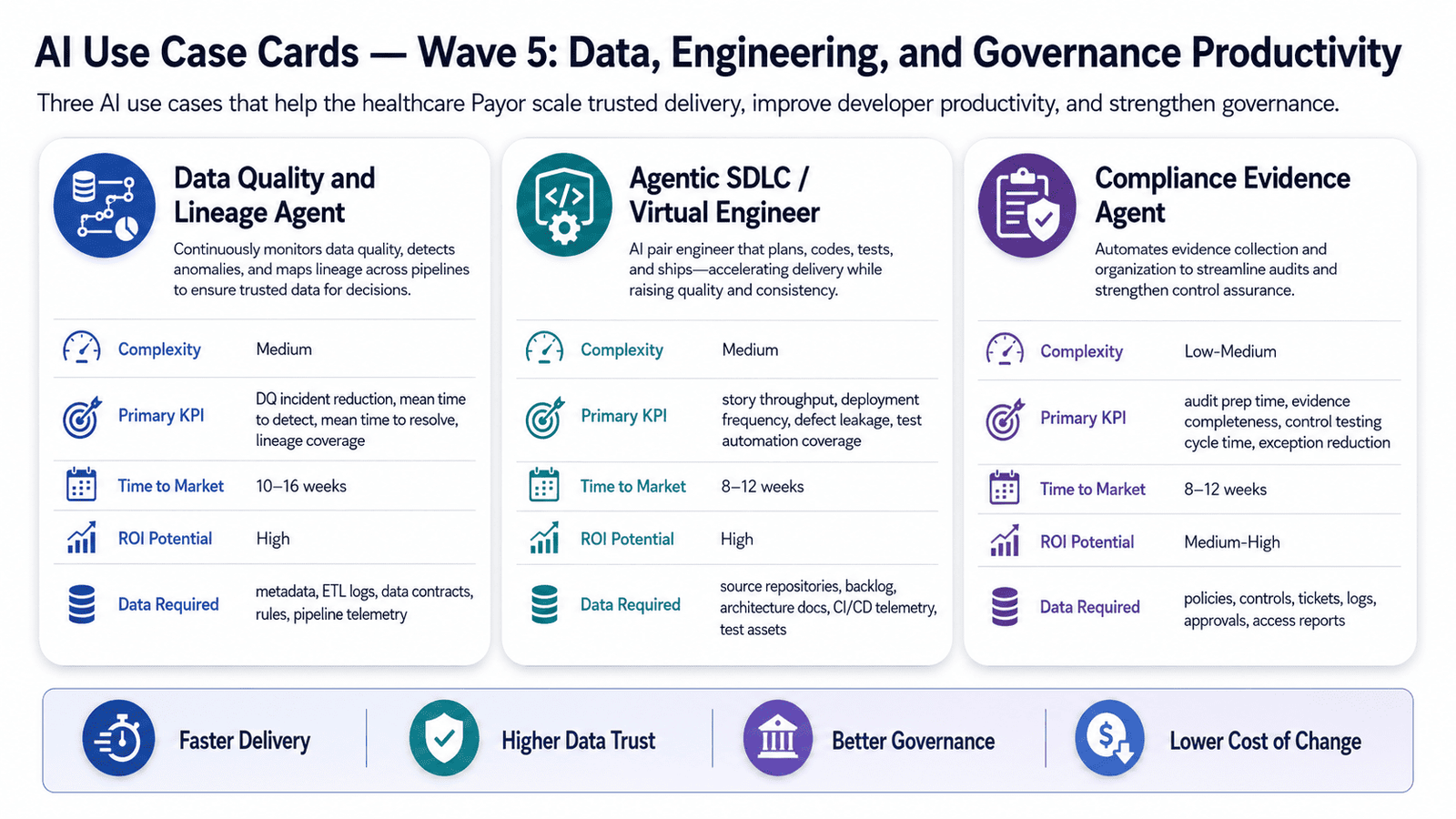
Figure 9. Wave 5 use cases focused on data, engineering, and governance productivity.
Meta Force 1 — Payvider convergence
The first force is the move from payer–provider friction to a shared operating fabric. Prior authorization, claims clarification, network access, quality improvement, and value-based care all require faster information exchange and lower process friction between the Payor and providers. The strategic implication is clear: the next advantage will come from making the Payor-provider boundary more intelligent, more observable, and more collaborative.
Trend 1A — Real-time prior authorization collaboration
Prior authorization is becoming a live collaboration flow rather than a document exchange problem. The technical requirement is a policy-grounded workflow that can assemble evidence, retrieve benefit and medical necessity rules, support clinician review, communicate decisions, and learn from outcomes. The winning design pattern combines APIs, semantic context, workflow orchestration, human review, and observability.
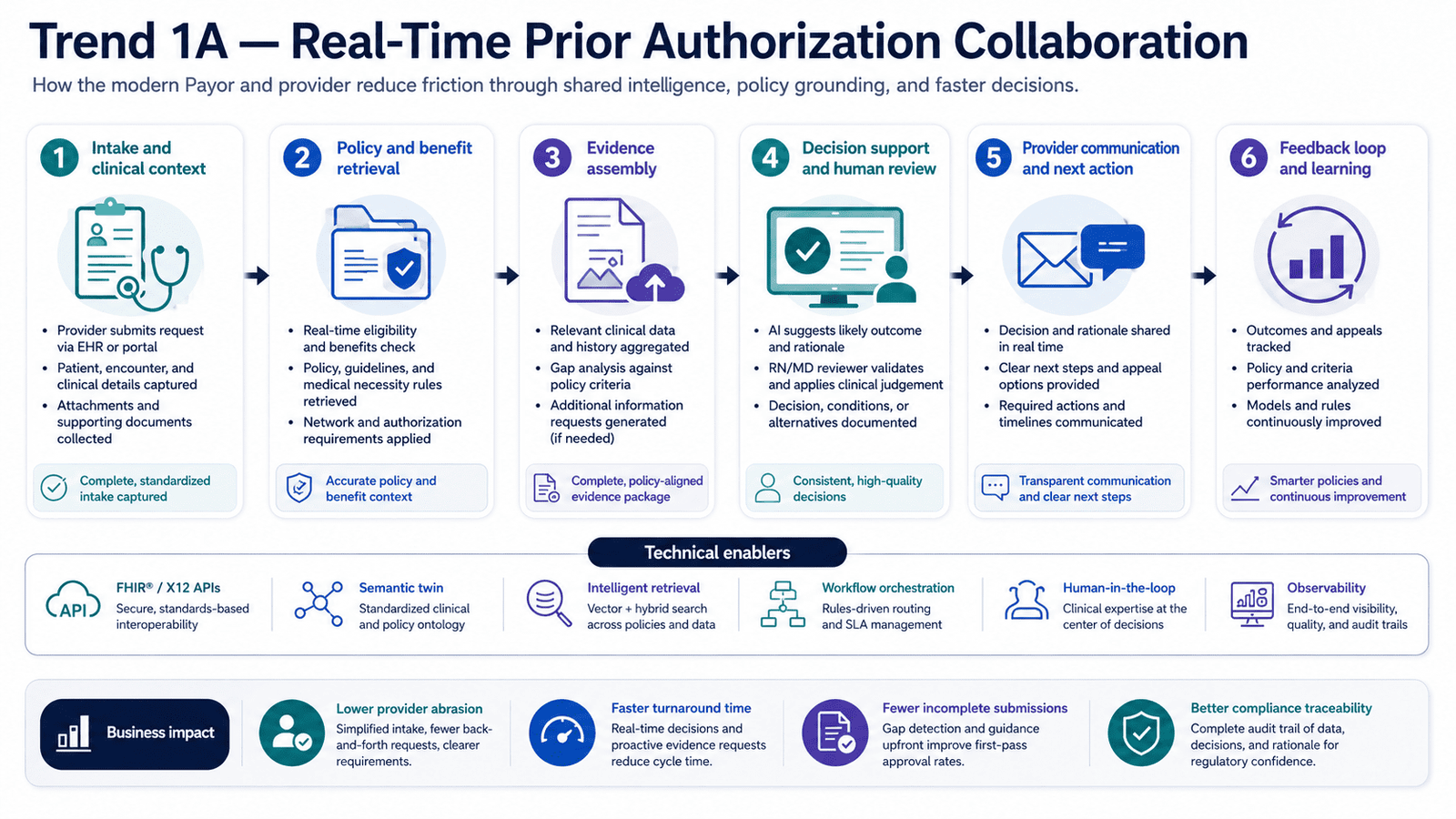
Figure 10. Trend 1A — Real-time prior authorization collaboration.
Trend 1B — Payvider quality and value-based performance fabric
As value-based models expand, Payors and providers need a shared performance layer across quality, risk, access, leakage, and contract outcomes. That means creating reusable measure logic, KPI APIs, conformed performance data products, and role-based insight surfaces that both sides can trust. This is where the semantic twin moves from an abstract concept to a concrete operating asset.
Meta Force 2 — Prospective medical cost intelligence
The second force is the shift from retrospective cost control to prospective intervention. Medical cost reduction is no longer just an actuarial or review exercise. It is a coordinated intelligence system that detects rising risk earlier, routes members more effectively, orchestrates interventions, and measures impact continuously.
Trend 2A — High-cost member early warning and intervention loop
High-cost member management should be designed as a closed loop. Risk signals, member stratification, next-best intervention, outreach, provider coordination, and outcome measurement should all operate on the same data and workflow spine. The technical design requires feature-rich data products, predictive models, a semantic twin, workflow orchestration, and Talk2Data-style access for operations teams.
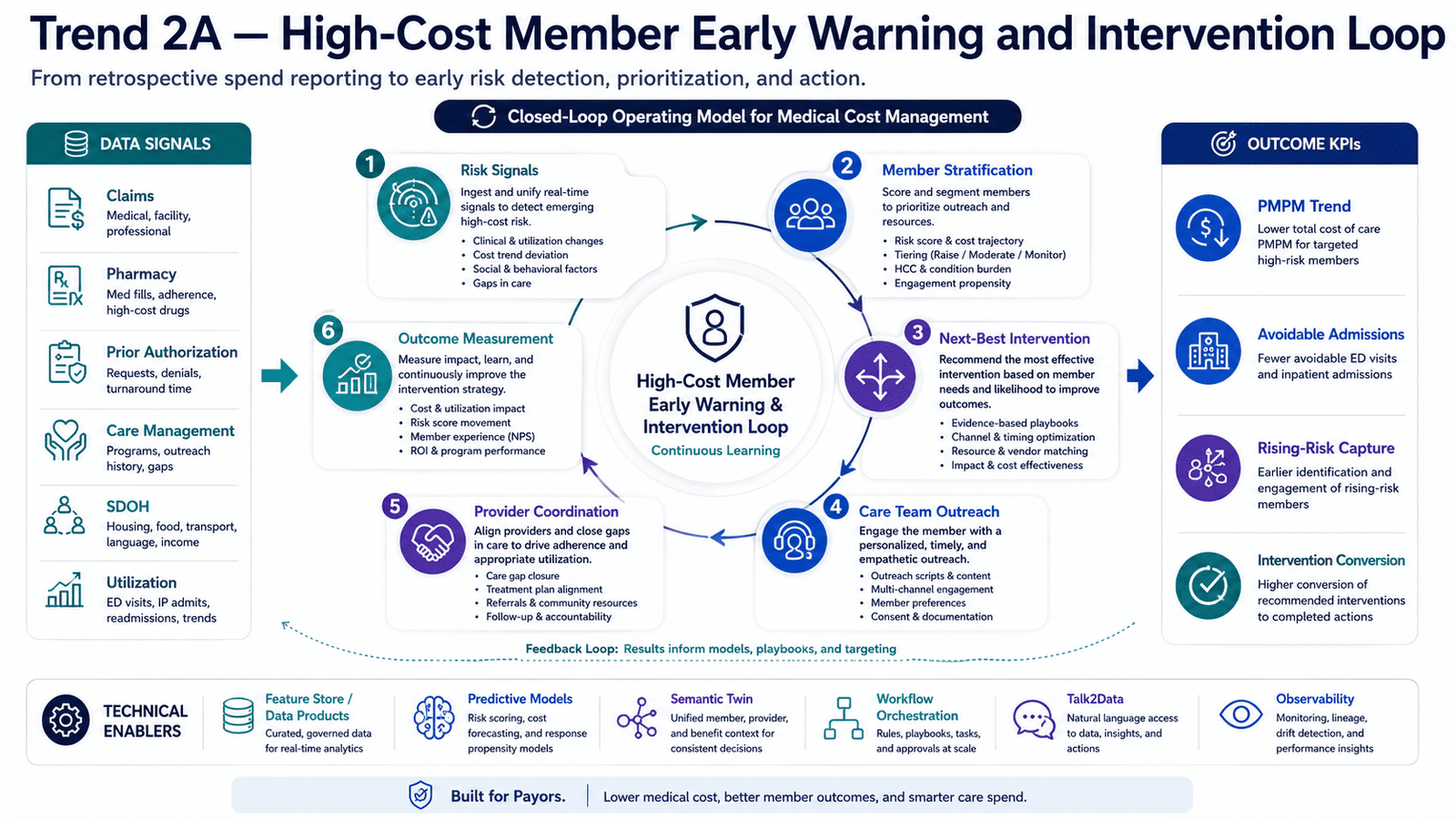
Figure 12. Trend 2A — High-cost member early warning and intervention loop.
Trend 2B — Site-of-care and specialty pharmacy optimization
Two of the most powerful cost levers are site-of-care optimization and specialty pharmacy rigor. Both depend on combining plan rules, provider context, utilization signals, and workflow actioning. The goal is not blunt utilization control. The goal is evidence-based steering, adherence support, cost avoidance, and policy consistency without increasing provider or member friction.
 Figure 13. Trend 2B — Site-of-care and specialty pharmacy optimization.
Meta Force 3 — Composable market expansion
The third force is the need for faster, more data-driven growth. Market expansion is no longer only a planning exercise. It must become a continuous intelligence capability that links external signals, internal performance, product design, network readiness, and launch orchestration.
Trend 3A — Market expansion intelligence factory
A Payor needs a structured factory for growth decisions. The factory should continuously ingest market signals, combine them with internal performance, run simulation scenarios, prioritize opportunities, test readiness, and present a quantified business case. In technical terms, this means geospatial analytics, curated data products, simulation models, dashboards, and agentic insights layered on top of market semantics.
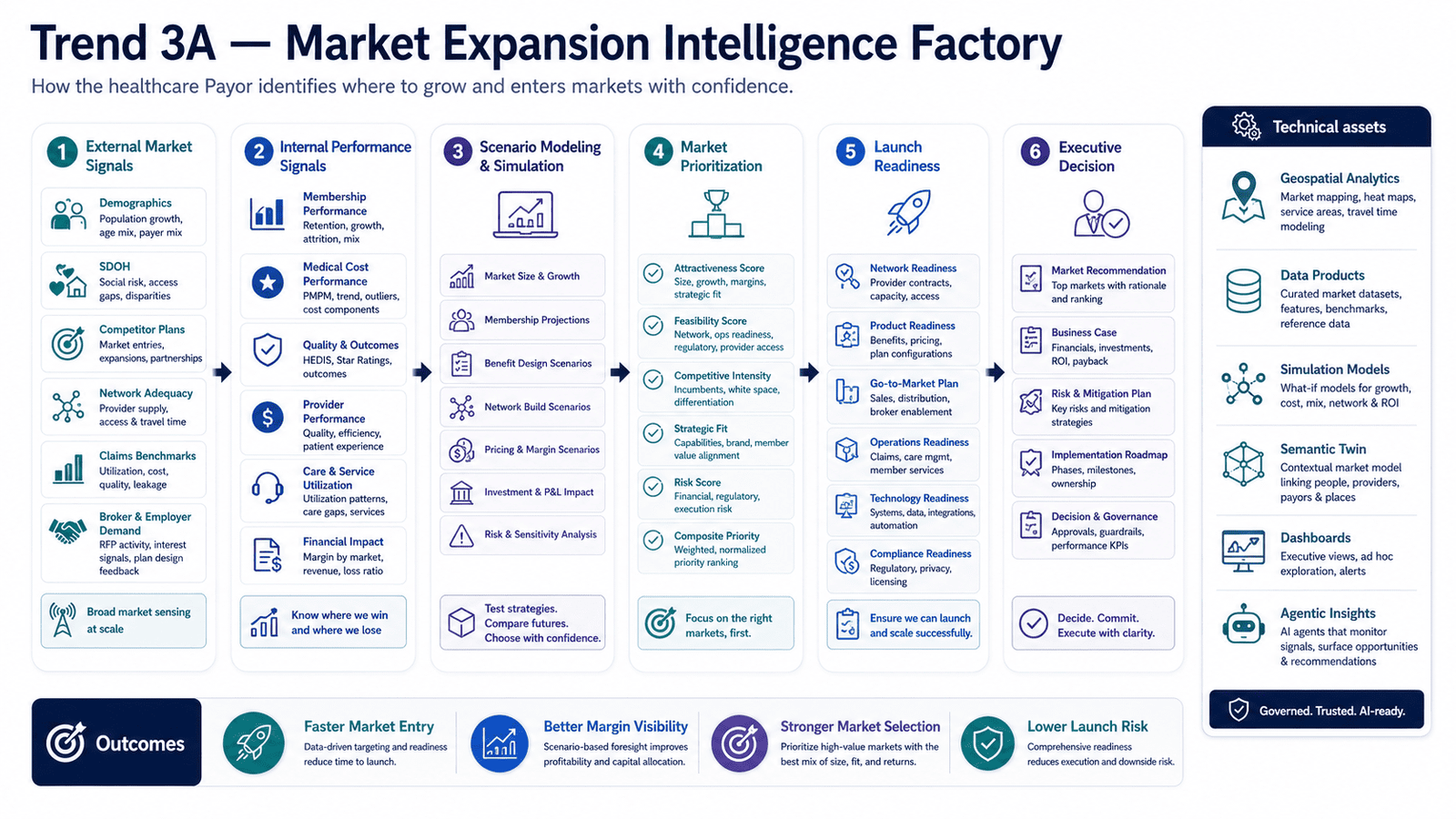
Figure 14. Trend 3A — Market expansion intelligence factory.
Trend 3B — Benefit and product SKU factory
Product strategy is becoming a repeatable production system rather than a one-off design exercise. Benefits, pricing, compliance, provider alignment, and launch monitoring should be supported by reusable templates, pricing scenarios, policy rules, and semantic product models. This is how the Payor reduces cycle time while improving consistency across markets and channels.
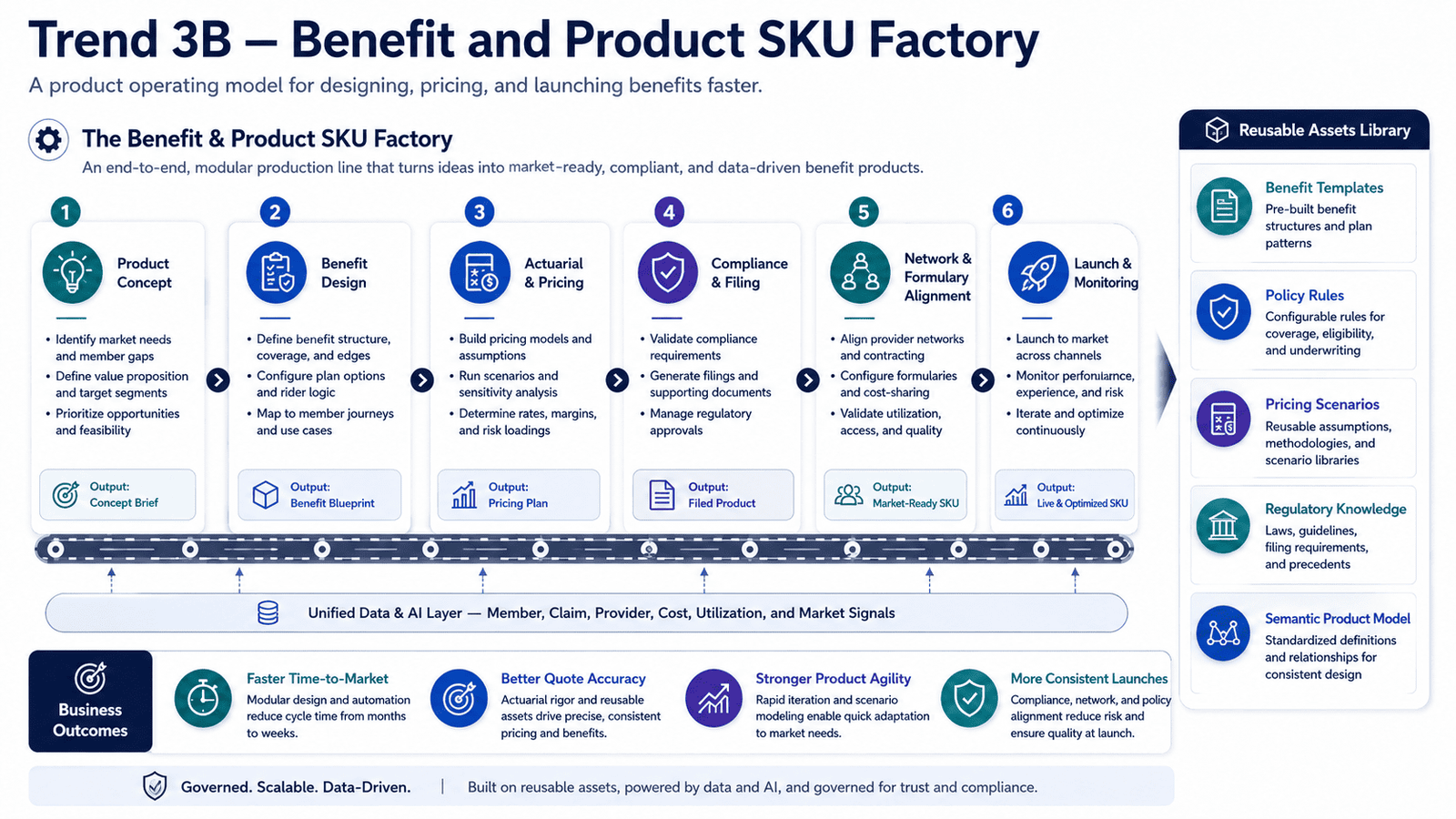
Figure 15. Trend 3B — Benefit and product SKU factory.
Meta Force 4 — Ambient member and provider experience
The fourth force is the shift from static portals to ambient, context-aware experience. The next interface is not merely a better chatbot. It is a multi-channel intelligence layer that can explain benefits, guide claims resolution, recommend care options, and support providers directly in their workflows.
Trend 4A — Ambient member experience
For members, the future experience is a guided journey that spans enrollment, benefit understanding, claims resolution, care navigation, and life-event support. What makes that experience work is not only a polished front end. It is the combination of semantic context, retrieval, multilingual interaction, orchestration, CRM history, and continuous feedback instrumentation.

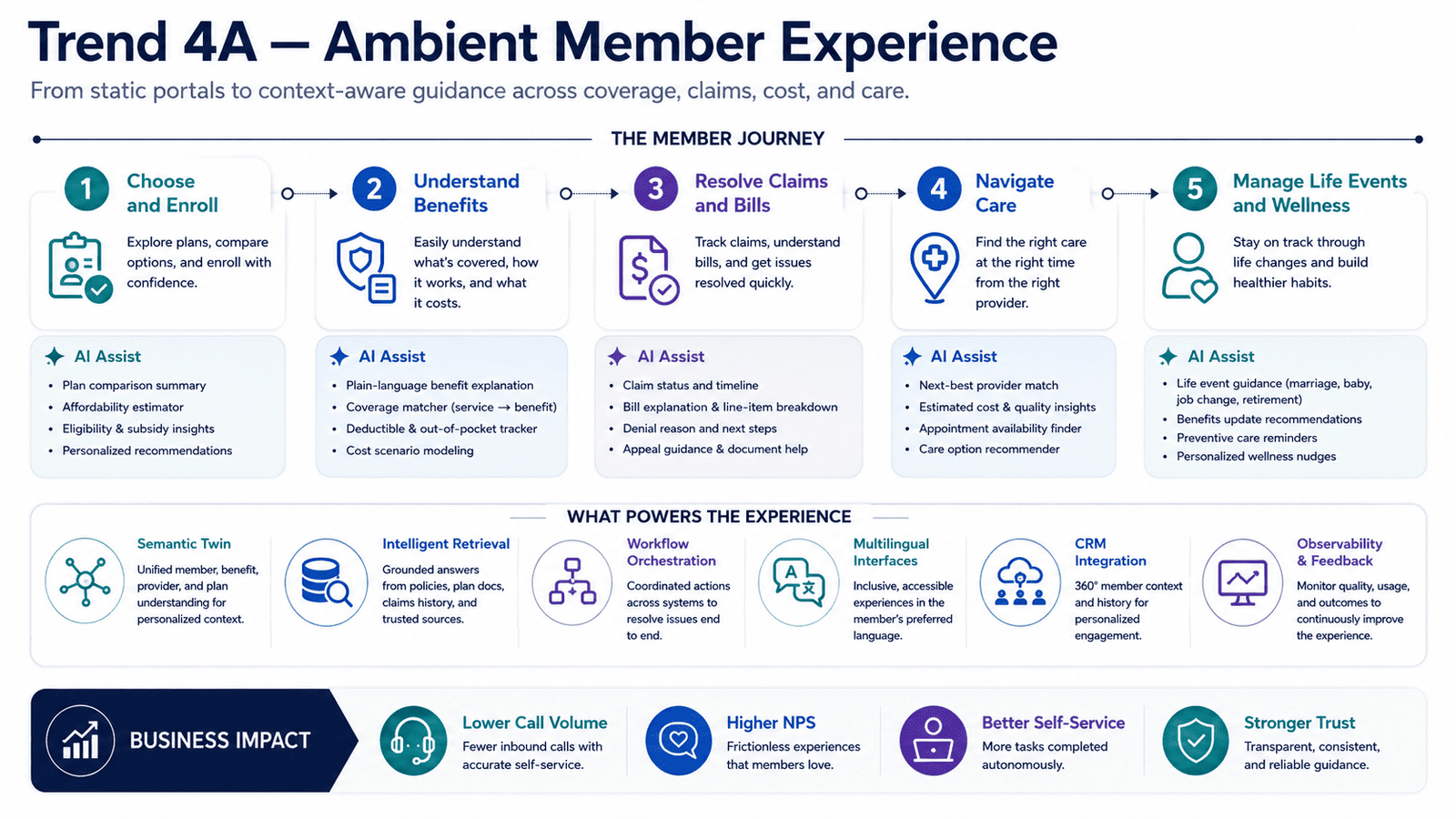 Figure 16. Trend 4A — Ambient member experience.
Trend 4B — Ambient provider workflow copilot
Providers need a parallel experience model. Eligibility checks, prior authorization support, denial clarification, quality-gap insights, and network guidance should be available inside the workflow, not outside it. This reduces abrasion, compresses turnaround time, and creates a more collaborative network relationship.
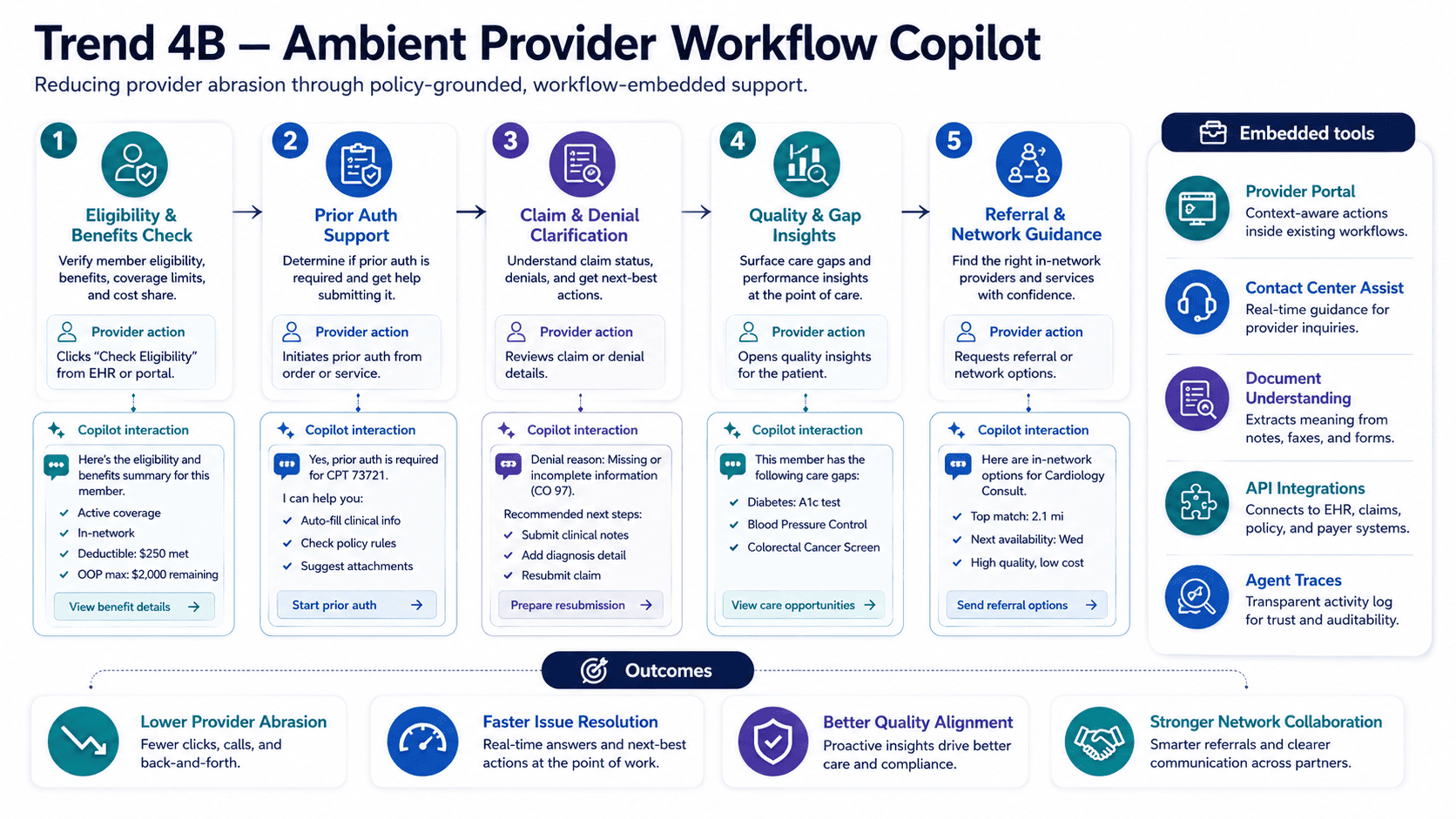
Figure 17. Trend 4B — Ambient provider workflow copilot.
Meta Force 5 — Sovereign AI operating model
The fifth force is the need to scale AI without surrendering control. The Payor should use modern platform services aggressively, but it should not outsource the knowledge layer, observability stack, or value control plane. That is the foundation of low lock-in and durable AI advantage.
Trend 5A — Semantic twin and AI-ready data products
The semantic twin is the sovereign knowledge layer for the AI-native Payor. It unifies business meaning across member, provider, claim, benefit, quality, and care domains, then exposes that meaning through reusable data products, APIs, and governed contracts. This is what enables trusted retrieval, reusable context, and consistent decisions across multiple AI and analytics use cases.
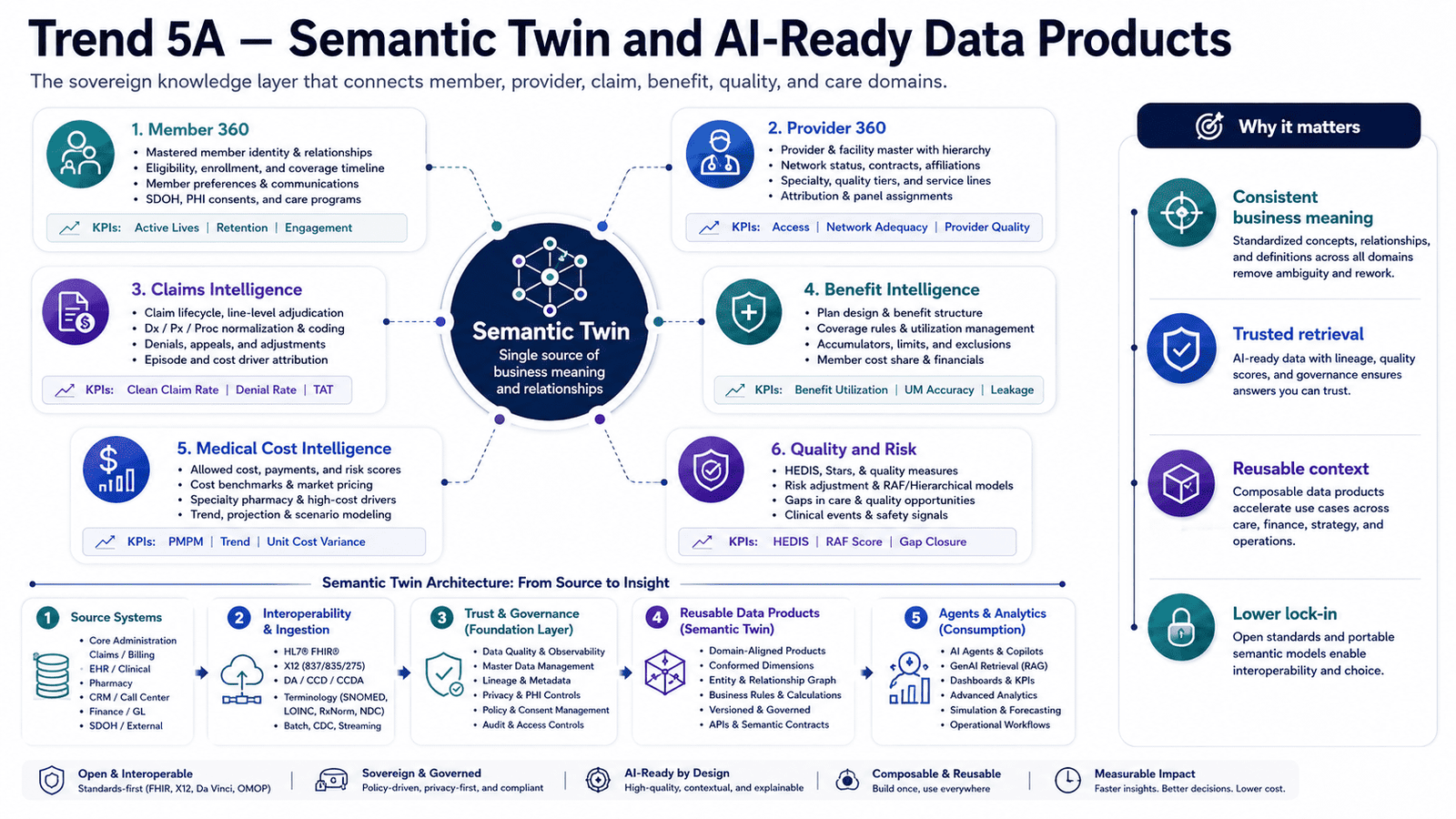
Figure 18. Trend 5A — Semantic twin and AI-ready data products.
Trend 5B — Sovereign AI operations: model gateway, observability, and Autopilot
Scaling AI safely requires more than model access. It requires a model gateway, routing policies, security controls, cost governance, AI observability, and a managed operating model for prompts, tools, workflows, and incidents. The most mature organizations also introduce Autopilot patterns across discovery, coding, testing, prompt evaluation, and model operations so that the delivery engine itself becomes AI-native.
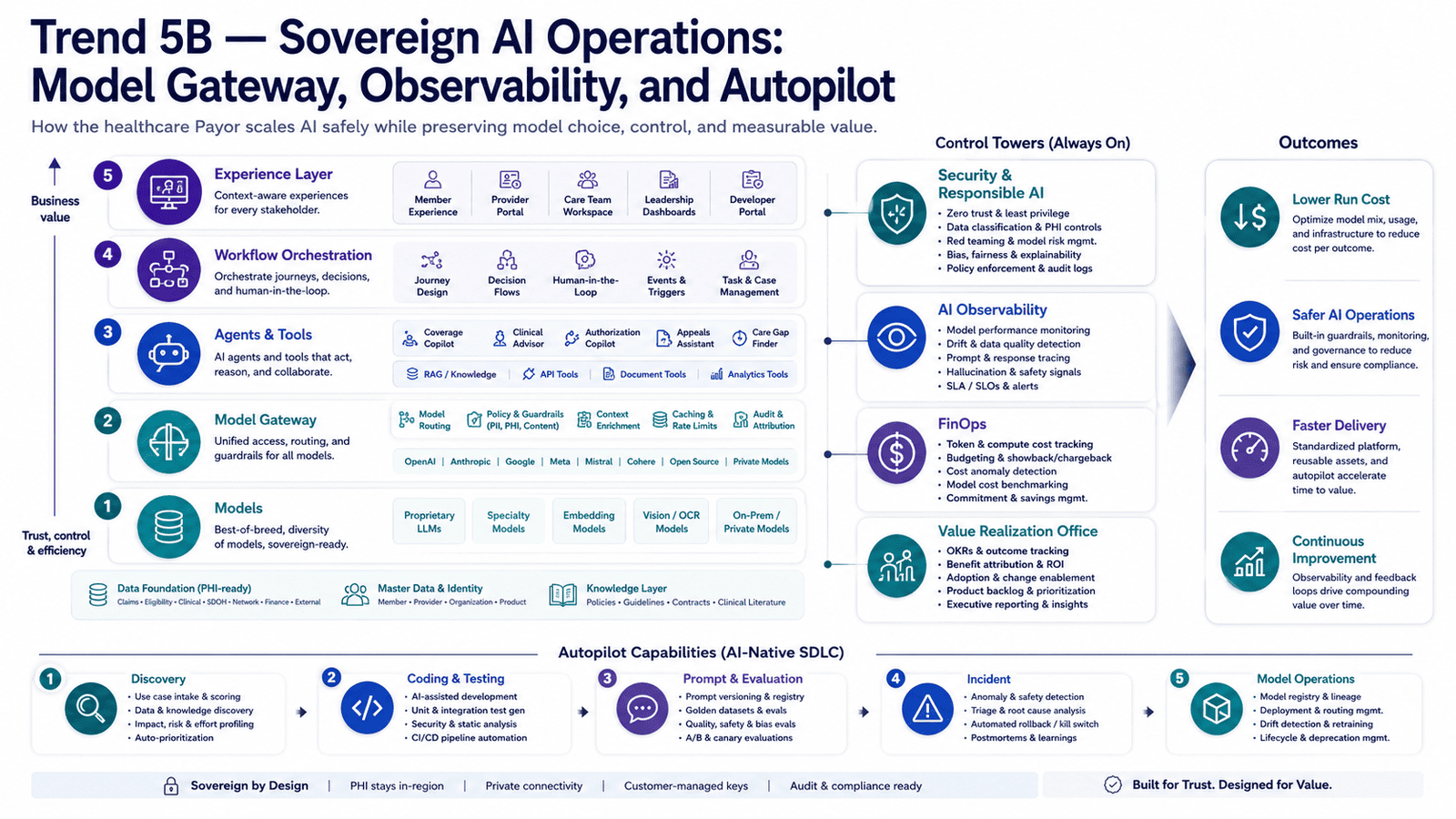
Figure 19. Trend 5B — Sovereign AI operations: model gateway, observability, and Autopilot.
The enabling foundation: AI-ready data, platform layers, and technical control
The ten trends above do not stand alone. They depend on a common enabling foundation. This is where many transformation programs either accelerate or collapse. If the Payor treats data, orchestration, and governance as afterthoughts, the use case portfolio becomes brittle. If it invests in reusable foundations, the cost of each incremental use case drops over time.
The enabling foundation begins with AI-ready data: interoperable ingestion, trust and governance, reusable domain-aligned data products, and a semantic model that both analytics and agents can consume. It then extends upward into the AI platform: model access, agent tools, workflow orchestration, observability, and business-facing experience surfaces.
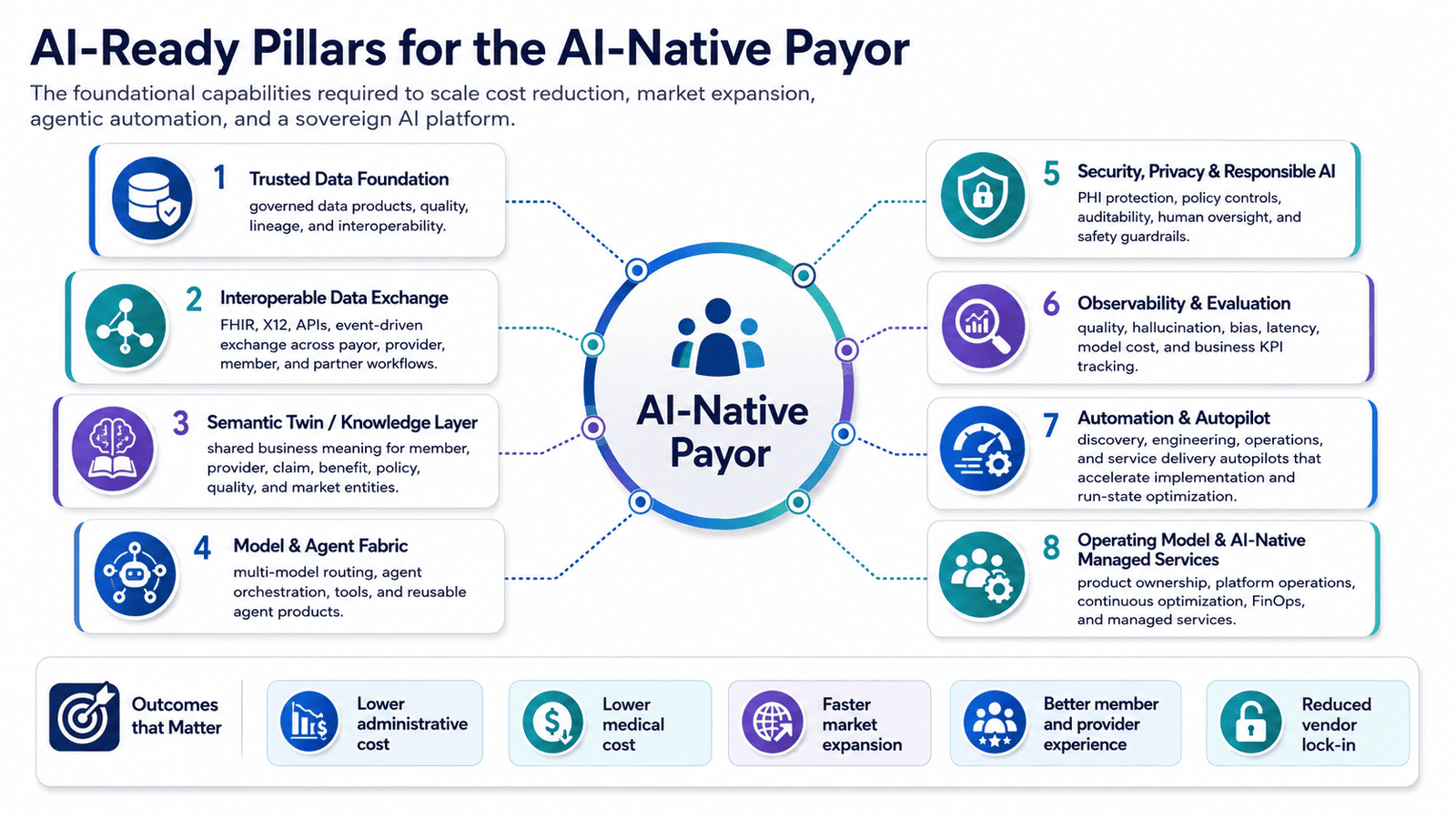
Figure 20. The AI-ready pillars that support the modern healthcare Payor strategy.
Figure 21. A concrete, more relatable view of AI-ready data for the modern healthcare Payor.
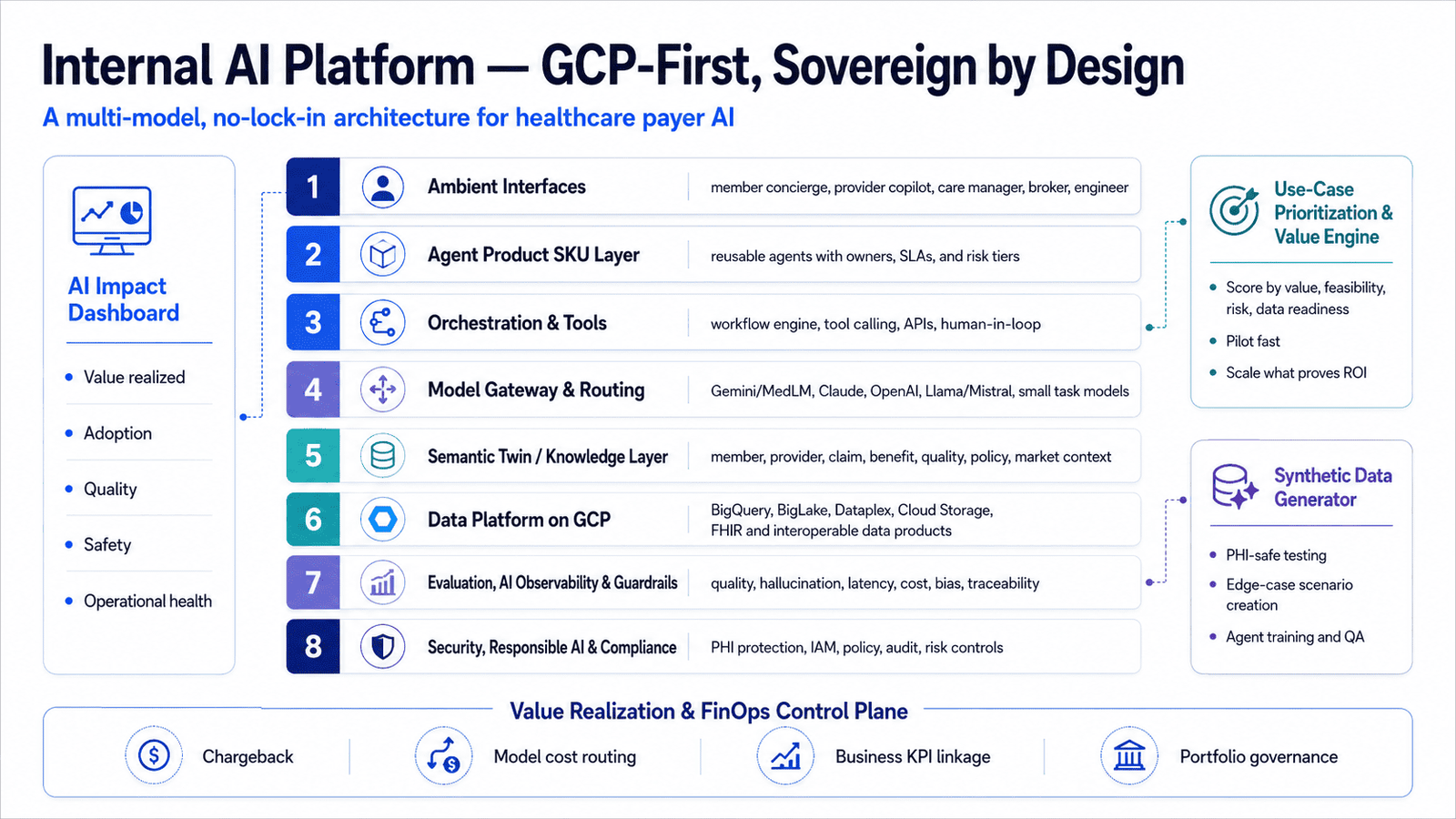
Figure 22. A layered internal AI platform architecture for the healthcare Payor.
Figure 23. A platform-centric roadmap showing how capabilities stack and scale.
Why application modernization, agentic SDLC, and managed services belong in the story
Application modernization, agentic SDLC, and managed services can feel like separate topics unless they are placed in the right context. In reality, they are the delivery and runtime extensions of the AI-native Payor strategy. The application estate must be modern enough to support orchestration, APIs, and reusable data contracts. The engineering system must be intelligent enough to keep pace with change. And the operating model must be mature enough to run AI in production with confidence.
That is why the AI-native Payor should modernize the application estate in parallel with the data and AI estate. Rationalization, PaaS migration, refactoring, and workflow reimagination are not side projects. They determine whether AI remains superficial or becomes embedded into business execution.
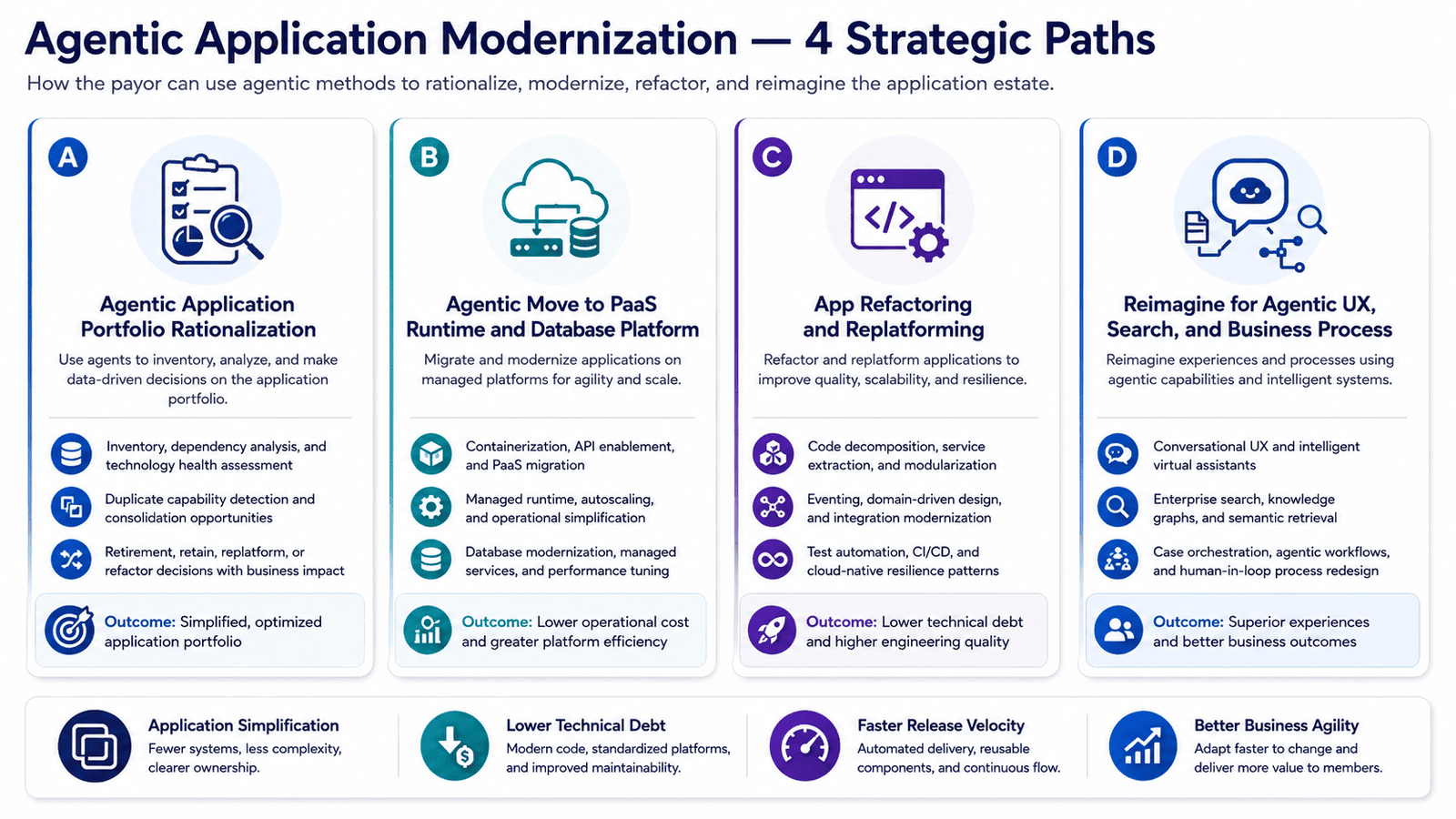
Figure 24. The four strategic paths for agentic application modernization.
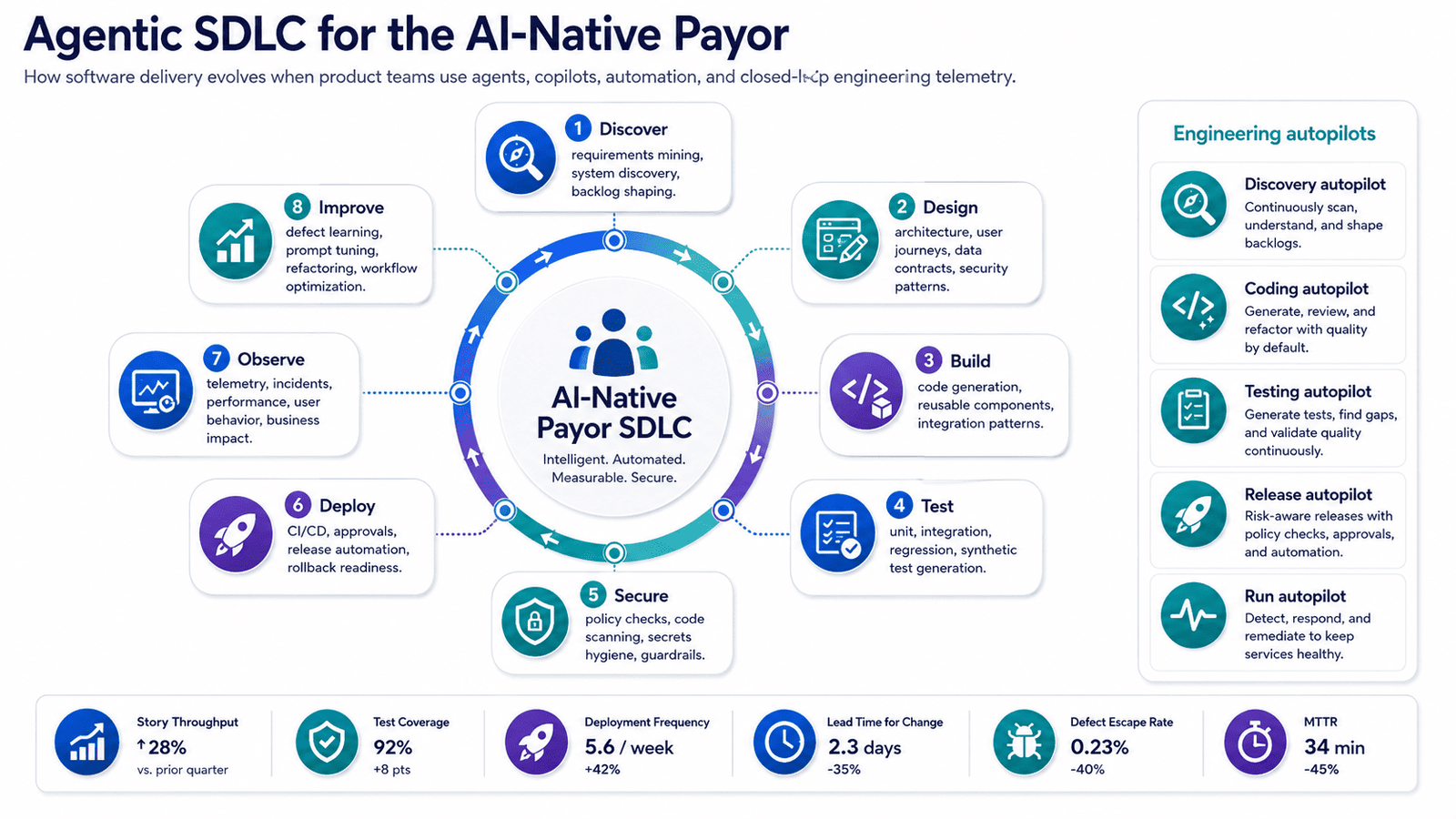

Figure 25. The agentic SDLC lifecycle for the AI-native Payor.
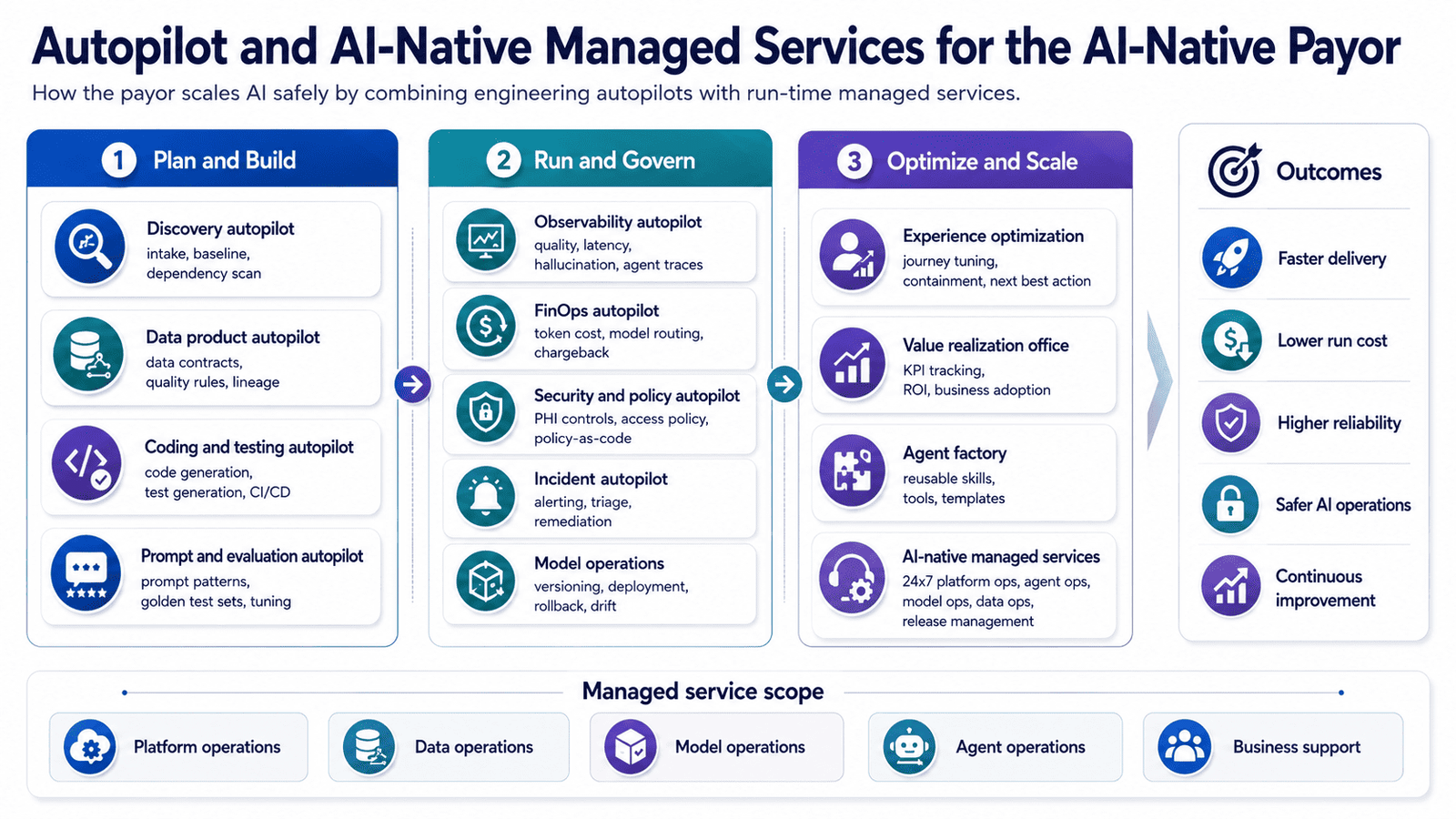
Figure 26. Autopilot and AI-native managed services as part of the Payor operating model.
A practical managed-services point of view
• Data and integration operations should manage ingestion reliability, lineage, policy enforcement, and data quality at scale.
• Model and agent operations should manage routing, prompt quality, deployment controls, incident handling, evaluation, and retirement decisions.
• Business support should monitor use-case adoption, benefit attribution, and change enablement rather than focusing only on ticket closure.
• FinOps and observability should make model usage, infrastructure cost, and value realization visible enough for executive decision-making.
Adoption, governance, and value realization
A sophisticated AI strategy still fails if the organization cannot govern it, adopt it, and prove its value. Governance therefore needs to operate across portfolio selection, delivery controls, runtime monitoring, and business outcomes. Adoption needs to extend across service, operations, clinical programs, network functions, product teams, and engineering. Value realization needs to translate AI activity into concrete financial and operational impact.
This is where an AI impact dashboard and value realization office become essential. They allow leadership to stage-gate investments, track realized value, compare operating cost to outcome, and decide what to scale or stop based on evidence.
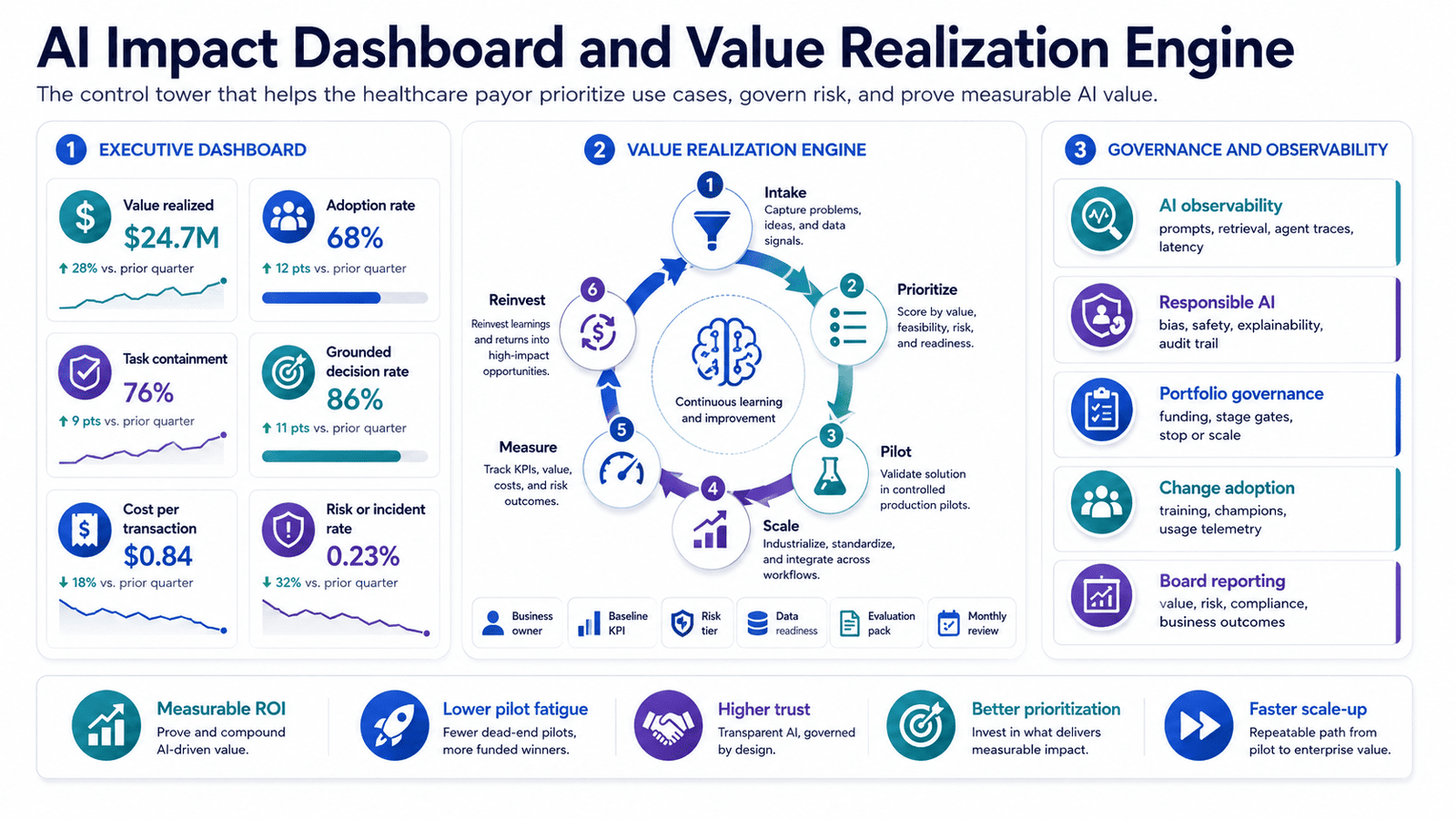
Figure 27. The AI impact dashboard and value realization engine.

Figure 28. A structured view of enterprise AI adoption across functions and phases.
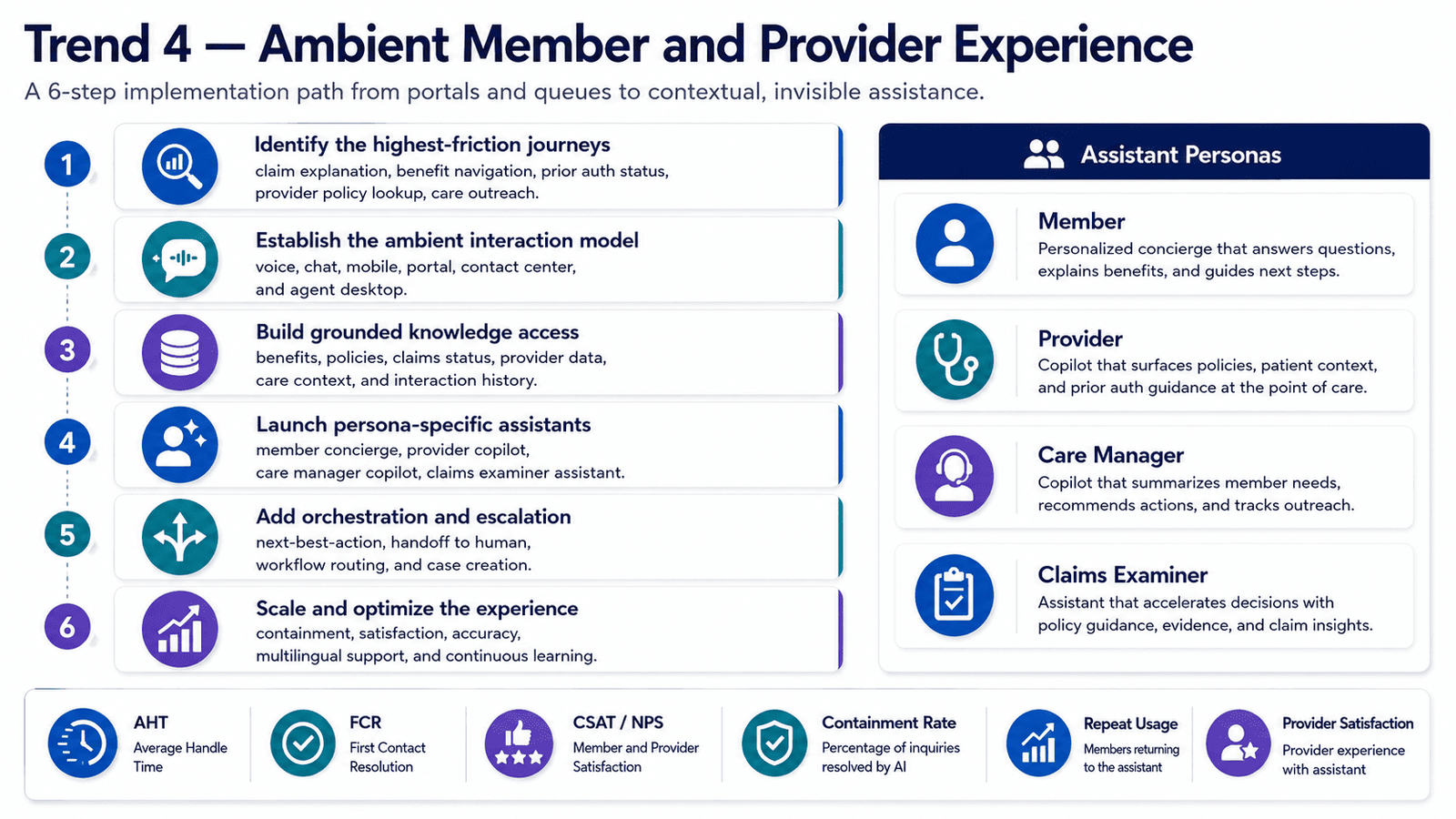
Figure 29. An implementation-oriented plan for sequencing the AI-native transformation.
Implementation sequence for a Payor
• Stand up the common platform spine first: data products, semantic twin, model gateway, security, observability, and value tracking.
• Launch the first wave of service, prior authorization, and Talk2Data use cases to create visible traction and reusable assets.
• Scale into medical cost and provider-collaboration workflows where AI can change operating economics materially.
• Use market expansion and product-factory capabilities to convert AI from cost play to growth play.
• Modernize the application and engineering estate in parallel so that delivery velocity does not become the bottleneck.
• Institutionalize the value realization office so leadership can continuously prioritize, measure, and reinvest.
Closing point of view
The AI-native healthcare Payor will not win because it runs the most pilots. It will win because it turns intelligence into operating leverage. That means using AI to reduce provider abrasion, lower medical cost, improve quality performance, launch products faster, choose markets more intelligently, and make the engineering system itself more adaptive.
The five meta forces outlined here are not independent. They reinforce one another. Payvider convergence improves data liquidity and quality insight. Medical cost intelligence strengthens member and care outcomes. Market expansion and product factories turn intelligence into growth. Ambient experience creates trust and lower service cost. And the sovereign AI operating model ties it all together so that the Payor can scale without losing control.
That is the real shift: from AI as experimentation to AI as enterprise architecture. That is what it means to build the AI-native Payor.
Leave a Reply